Photosensitivity is a severe sensitivity to ultraviolet radiation. Although often referred to as chemical sunburn, it is important to remember that photosensitivity is not the same as regular sunburn. Photosensitivity is a condition in which liver function is impaired, and the liver is unable to break down toxic compounds.
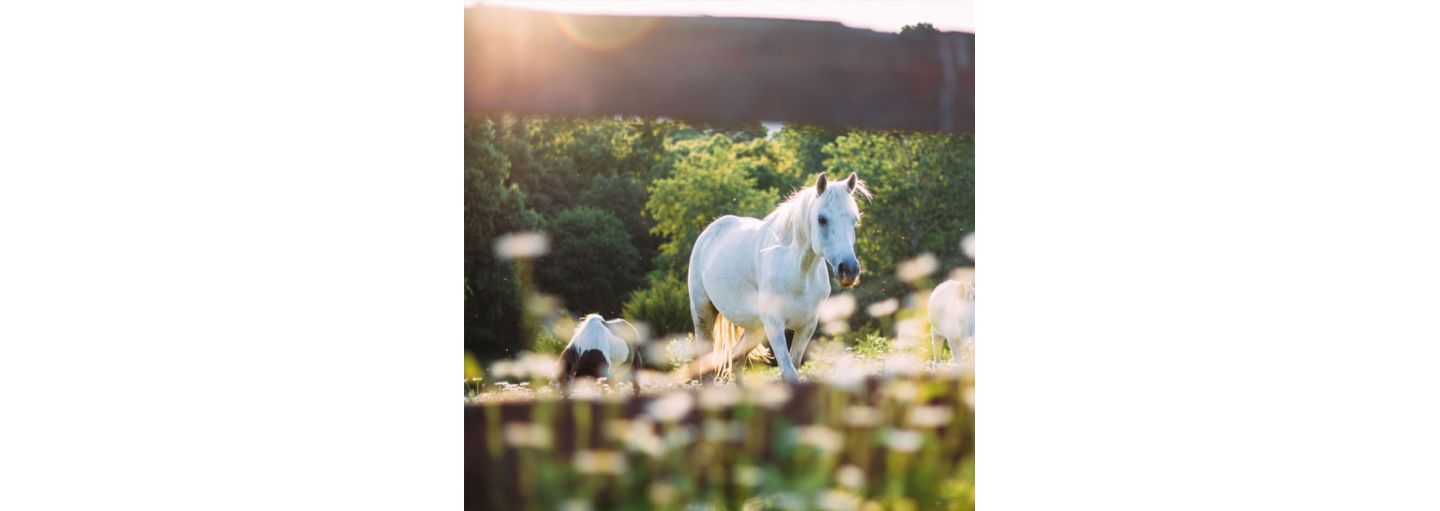
Photosensitivity is seen in horses that graze and come into contact with plants containing certain toxins. These toxins impair liver function by inhibiting the liver's ability to break down harmful compounds. A healthy, well-functioning liver will cleanse the blood of harmful substances. In photosensitivity, the horse loses the ability to break down these toxic compounds, which then accumulate in the blood and reach the skin.
Symptoms of photosensitivity in horses If your horse suffers from photosensitivity, you will notice a number of symptoms – but you will need a vet to make the final diagnosis!
-
The horse becomes restless when in the sun and will actively seek shade.
- The skin becomes very itchy and may swell up – especially in exposed areas with a thin hair coat.
-
The most exposed areas are the muzzle, around the eyes, the dock of the tail, and legs with white markings.
- In the most severely affected areas, blistering, oozing sores, and eventually scabbing can develop.
Treatment and prevention of photosensitivity If your horse is affected by photosensitivity, you should stable it indoors in the shade. Harmful UV light can penetrate window glass, so do not place your horse near windows – not even skylights. The affected skin areas should be treated with a good moisturizing equine wound ointment, while exposed areas on the horse's legs can be protected with bandages or UV-protective boots.
The best way to prevent photosensitivity is to know your plants. Photosensitivity in horses is predominantly caused by contact with specific plants, and only very rarely is the condition caused by medication.
The plants you should avoid in your horse's paddock are:
Getty Images
-
Alsike clover
-
Wild parsnip
-
Spotted knapweed
-
Lupine
Getty Images
Udforsk
-
Meadowsweet
In addition to keeping an eye on the plants in the paddock, you can apply equine sunblock to the exposed and thinly haired areas.
Which horses are affected by photosensitivity? Photosensitivity is typically seen in grazing horses. There are a number of plants in Danish pastures that can damage the liver, causing harmful photodynamic substances to accumulate in the skin. If you have a horse with a thin coat or a lot of white markings, you should be particularly vigilant.
Is your horse affected by photosensitivity? We recommend:
-
For care and relief of stressed skin: Silver Honey Ointment
-
UV protection for the head and muzzle: Absorbine Ultrashield Fly Mask and barrier cream
-
For full-body UV protection: PC Fly Sheet and barrier cream
-
For UV protection and plant defense: PC Fly Protection Boots
Find more insect and UV protection here.
No comment(s)
Write your comments
We will publicly show your name and comment on this website. Your email is to ensure that the author of this post can get back to you. We promise to keep your data safe and secure.